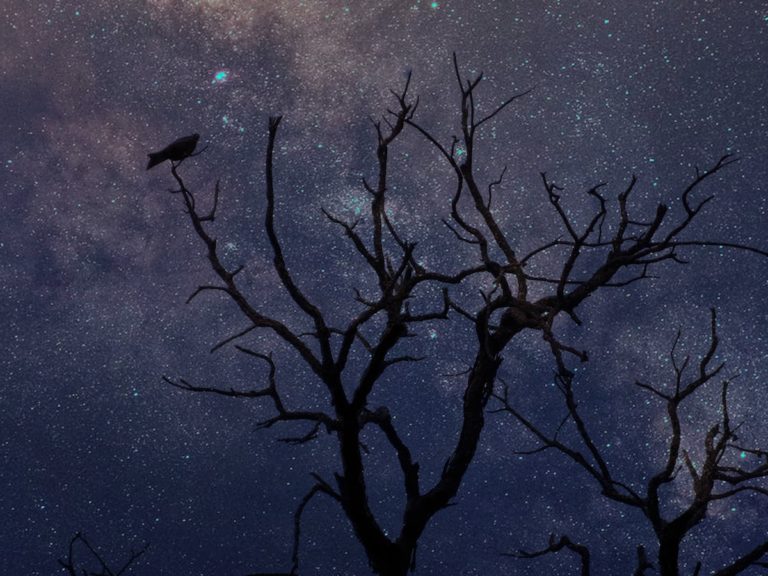


New Year, new fun.
Dear AOS Members and Friends,
As we welcome a new year, January offers both a symbolic and practical reset for astronomers. Longer nights, colder air, and often steadier seeing conditions combine to make this one of the most technically rewarding months of the observing year. It is a time when the sky invites us not just to admire, but to study.
A new year also brings renewed energy to our club — new outreach opportunities, deeper observing programs, and ambitious goals ahead. January is an ideal moment to sharpen our skills, revisit favorite objects with fresh eyes, and push a little further into the night sky than we may have before.
What’s in the sky to look forward to this month?
🔭 Orion and the Winter Milky Way
Orion dominates the southern sky and serves as a gateway to a rich region of nebulae and star-forming complexes. M42 (the Orion Nebula) is at peak altitude in January, revealing structure, color, and subtle detail under steady skies — from the Trapezium stars to faint outer nebulosity with filters. Nearby, Barnard’s Loop and the Lambda Orionis region reward wide-field imaging and binocular sweeps.
🔭 Open Clusters and Stellar Evolution
The Pleiades (M45) and Hyades offer a striking contrast in stellar age and structure, making them excellent objects for discussing stellar evolution and proper motion. M35 in Gemini and M41 in Canis Major are outstanding winter open clusters, particularly under dark skies.
🔭 Planetary Observing Opportunities
Jupiter remains a centerpiece of the evening sky, providing ongoing opportunities to observe atmospheric banding, the Great Red Spot, and dynamic moon transits and shadow events.
🔭 Deep-Sky Challenges
January’s transparency often allows for productive galaxy hunting. M31 remains well placed early in the evening, while Perseus, Auriga, and Camelopardalis host rich but often overlooked clusters and faint galaxies for those willing to star-hop. For imagers, winter skies provide excellent conditions for narrowband work, especially on emission nebulae.
🔭 Lunar and Timing Considerations
Careful planning around lunar phases this month allows for productive sessions focused on either high-contrast lunar observing or deep-sky work during darker windows. Winter is also an excellent season to evaluate equipment performance, refine polar alignment techniques, and test new imaging workflows.
As we begin this new year, I encourage everyone — visual observers, imagers, educators, and newcomers alike — to set a personal observing goal for January. Whether it’s revisiting a familiar object with a more critical eye, logging your first observation of the year, or mentoring someone at the eyepiece, each small step strengthens our shared pursuit. In fact, our first General Meeting of the NEW YEAR 2026 will focus on this topic.
Thank you for the expertise, enthusiasm, and generosity you bring to this club. Together, we continue to turn cold nights into warm memories, and points of light into lasting perspective.
Clear skies and best wishes for a productive and inspiring New Year,
Jason
President, AOSNY
Featured image designed by Freepik.