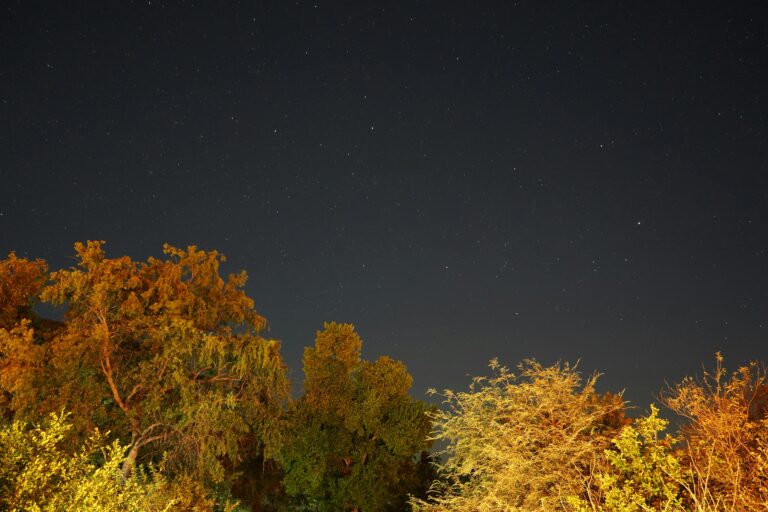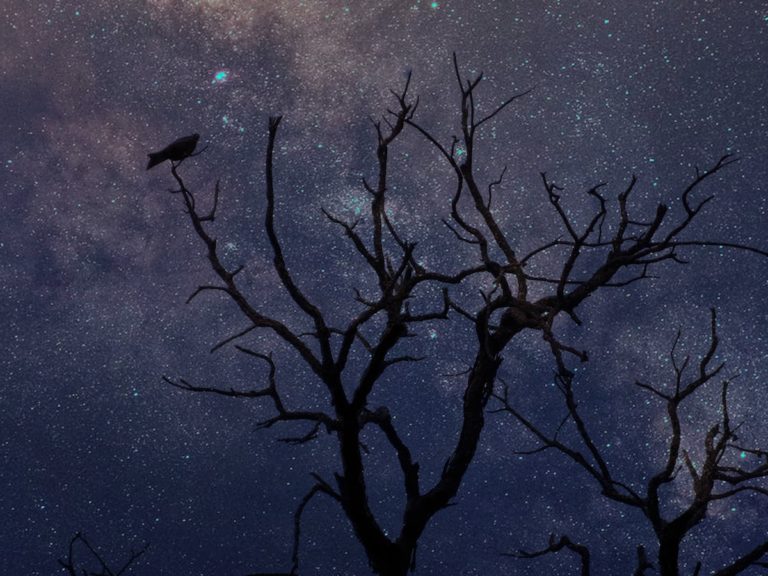
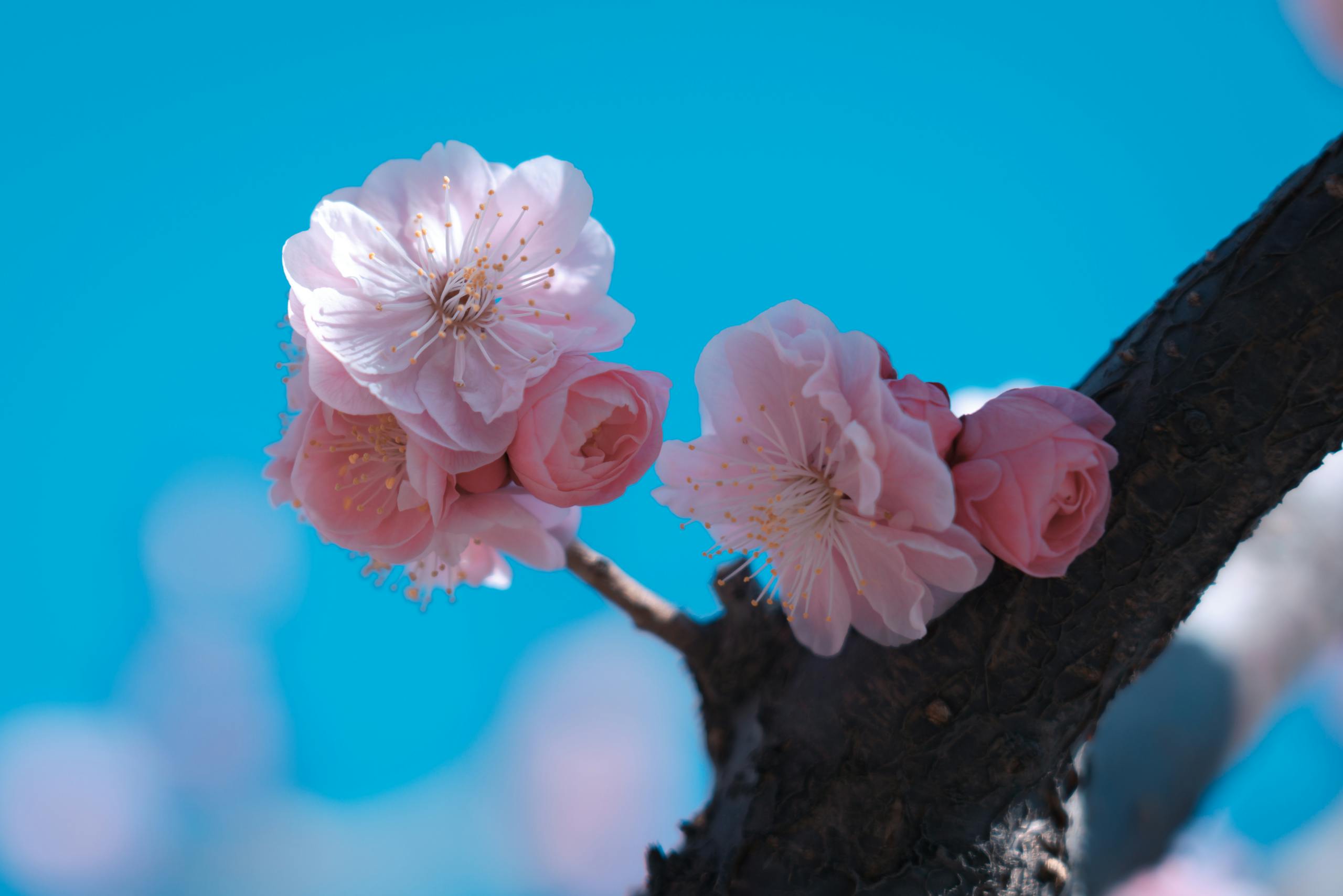
May flowers also mean perfect nights
Dear AOSNY Members and Friends,
April brought strong momentum, meaningful outreach, and a renewed sense of engagement across the club. Now, as we turn the page into May, we enter one of the most rewarding stretches of the year—where preparation gives way to action, and our presence in the community begins to truly expand.
The skies are warming, the nights are more inviting, and with that comes opportunity—not just to observe, but to share.
May General Meeting – Sunday, May 3rd
Join us on Sunday, May 3rd at 1:15 PM at Hofstra University, Berliner Hall, Room 117 for our May General Meeting.
This is an important meeting, as club elections will take place. AOS continues to grow because of those willing to step forward and contribute. If you have considered becoming more involved, I strongly encourage you to take that step. Leadership within this organization is not just about direction, it’s about impact.
Guest Lecturer – 3:00 PM
We are proud to welcome back returning guest speaker Julian Shapiro for what promises to be an exceptional and inspiring presentation:
“Our Elusive Cosmic Neighbors: Uncovering Isolated Dwarf Galaxies in the Local Volume”
Julian Shapiro, at just 18 years old, has already established himself as an award-winning astronomer and astrophotographer, with research spanning dwarf galaxies and planetary nebulae. His work focuses on understanding galaxy evolution through detailed observational studies of stellar populations in the Local Volume.
In 2025, Julian identified three candidate backsplash galaxies near Messier 101, providing observational evidence for a population long predicted in hydrodynamical simulations but not yet definitively observed locally. This research plays a key role in testing the foundations of the Lambda-CDM model, particularly at small scales involving faint satellite galaxies around Milky Way analogs.
In parallel, Julian is also conducting research into ghost planetary nebulae—a shock-powered late evolutionary phase—through collaborations with the Space Telescope Science Institute and University of California, Los Angeles.
His accomplishments are remarkable:
- National Young Astronomer Award (2025)
- Discovery of a candidate quasar light echo
- Presentations at the American Astronomical Society and the American Physical Society Global Physics Summit
- Recipient of the Sir Patrick Moore Prize and Astrophotography Prize for Remote Imaging
Currently a senior at The Dalton School, Julian represents the very best of what the next generation of astronomers can achieve—and how early passion, when nurtured, can lead to extraordinary contributions.
This is a talk you will not want to miss.
May Night Sky Highlights
May continues Galaxy Season, offering some of the best opportunities of the year to observe beyond our own Milky Way.
- Eta Aquariid Meteor Shower (May 5–6)
A pre-dawn event tied to debris from Halley’s Comet. Bright meteors may still cut through the morning sky despite moonlight. - Full Flower Moon – May 1
A perfect outreach target—bright, detailed, and always captivating for first-time viewers. - New Moon – May 16
Your best opportunity this month for deep-sky observing. Plan accordingly. - Blue Moon – May 31
A second full Moon in a single month—rare by calendar definition, and a great storytelling opportunity during outreach.
As the month progresses, we begin to see a seasonal transition in the night sky. Jupiter makes its final appearance in the early evening, while Saturn quietly returns to the morning sky. Meanwhile, late-night observers will notice the first rise of the summer Milky Way, reminding us that nebula season is just around the corner.
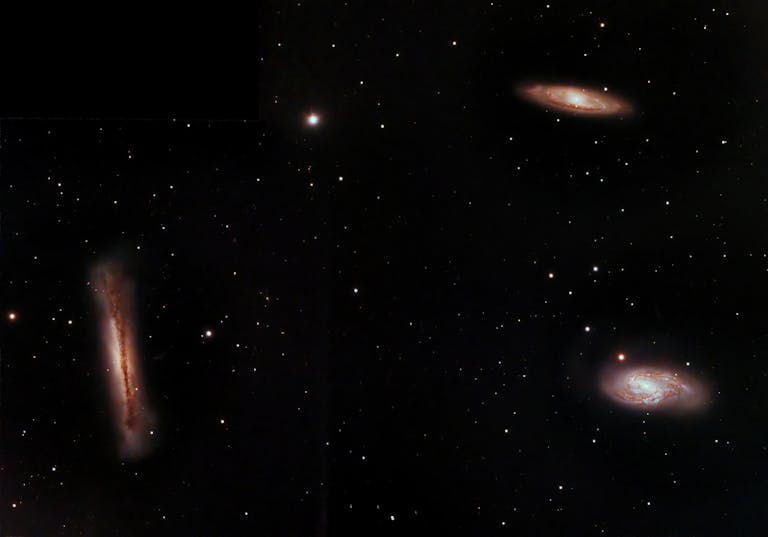
The constellations of Leo, Virgo, and Coma Berenices dominate the evening sky, opening a window into distant galaxy fields. These are nights that reward patience—where faint smudges become entire universes.
Outreach & Events
May continues our strong community engagement with several standout opportunities:
- May 8th – An Evening at the Jones Beach Energy and Nature Center
7:30 PM – 9:30 PM
Reservations are required and are filling fast.
Join us on the heels of our April event, where 70 attendees and 12 AOS volunteers came together to share the night sky in an educational evening filled with curiosity and wonder. Events like these represent the very best of what we do—bringing the universe a little closer to home for everyone involved.
- Special Celestial Saturday BBQ (CLUB MEMBERS ONLY)
Details to follow—shared exclusively with club members… and just one more reason to join. - SCIENCESTOCK – May 31st at the Science Museum of Long Island
Join us for a unique day of science and discovery featuring SPECIAL SOLAR VIEWING. A great opportunity to safely observe our nearest star and engage the public in daytime astronomy. - Continued collaboration with Hofstra University and the 2026 Music and Astronomy Under the Stars (M.A.U.S.) program, spanning five different county park locations, providing free music to the public, along with free solar and nighttime telescope viewing—a true fusion of art, science, and community engagement.
- Ongoing partnership with Custer Institute and Observatory as we prepare for a full summer outreach season.
Each event is a chance—not just to observe, but to create a moment that someone may carry with them for the rest of their life.
A Moment of Perspective
May is where intention turns into action.
We move from planning events…to standing behind telescopes.
From discussing astronomy…to sharing it.
Every person who looks through one of our scopes is seeing more than an object—they are seeing possibility.
You don’t need to have all the answers.
You simply need to be there.
Closing Thoughts
As we step into the heart of outreach season, I encourage each of you to take part:
- Bring your telescope.
- Bring your curiosity.
- Bring your willingness to engage.
The sky is not something we keep.
It is something we share.
Clear skies,
Jason Cousins
President, AOSNY